
BLOG
WHAT IS DIGITAL PAINTING? ITS HISTORY, POPULAR TECHNIQUES, AND CAREER OPPORTUNITIES
We live in a digitally-first world, and its influence can be witnessed in the world of art as new digital techniques blur the lines of traditional art. Digital painting is quickly becoming a coveted skill for today's artists that not only stands on its own as a method of artistic expression but is a crucial part of the concept art process.
An Art Form That Combines Creativity with Technology
As the title suggests, digital painting is a contemporary form of art that utilizes digitized software to draw illustrations directly. In place of the conventional canvas, stylus pens are utilized, which provide artists with far more flexibility and control over their digital illustration. One of the most wonderful aspects of digital painting is that it has erased any conception of error or exclusion so that artists can test freely without apprehension and hesitation.
On one hand, digital painting software has made it possible for artists to create masterpieces without the use of a pencil or pen and on the other hand, it has transformed the art of the concept art. Be it a sketch or a full-scape painting, artists can now express their artistic imagination with unprecedented lucidity and efficacy thanks to digital painting.

A Brief History of Digital Painting: From Concept to Creation
The first digital art forms appeared in the 1960s when artists started creating basic art illustrations using computers. The arrival of the Macintosh computer in the 1980s and digital art programs such as MacPaint and Photoshop paved the way for the idea of visual art and animation as technological innovations provided artists with a range of new tools to bring the creative process to an entirely new level.
It has since become an industry standard procedure that is at the core of the activity of leading studios such as Pixar, Blizzard Entertainment, and Industrial Light & Magic, which tap into its potential to photoshop and bring to life characters and imaginary worlds.
Digital Painting vs. Digital Illustration
There is often confusion between the terms "digital painting" and "digital illustration". To be precise, digital painting is a broad-based term covering various forms of digital art, including illustration. An illustration, on the other hands is just one of the many different types of digital painting, and both combine traditional art and contemporary technology to open up a world of creativity for digital artists. Here is a breakdown of the key differences between the two for your understanding;
Digital Painting
- An image drawn on a computer screen or a tablet and not on the canvas.
- Employs techniques of traditional painting like brush strokes or blending properties to replicate the effects of traditional painting or drawing media.
- A digital painting can take various forms like an oil painting, collage, concept art, portraits, still life etc.
- Digital painting can be used in various media such as film, television, print, rapid prototyping, games/simulations, and special visual effects.
- Use Adobe Photoshop which is grounded in pixels or raster art and offers a wide range of brush types to simulate traditional painting.
Digital Illustration
- An image created on graphic tablets using stylus pens and not pen or paper.
- Digital illustration is a visual representation of a larger story or theme.
- An example would be drawings in children's novels or a visual depiction of a scene for a film’s storyboard.
- Digital illustration is utilized primarily in advertising, cartoons, and products.
- Use software like Adobe Illustrator to create vector-based art that can be scaled to achieve different dimensions.
Digital Matte Painting
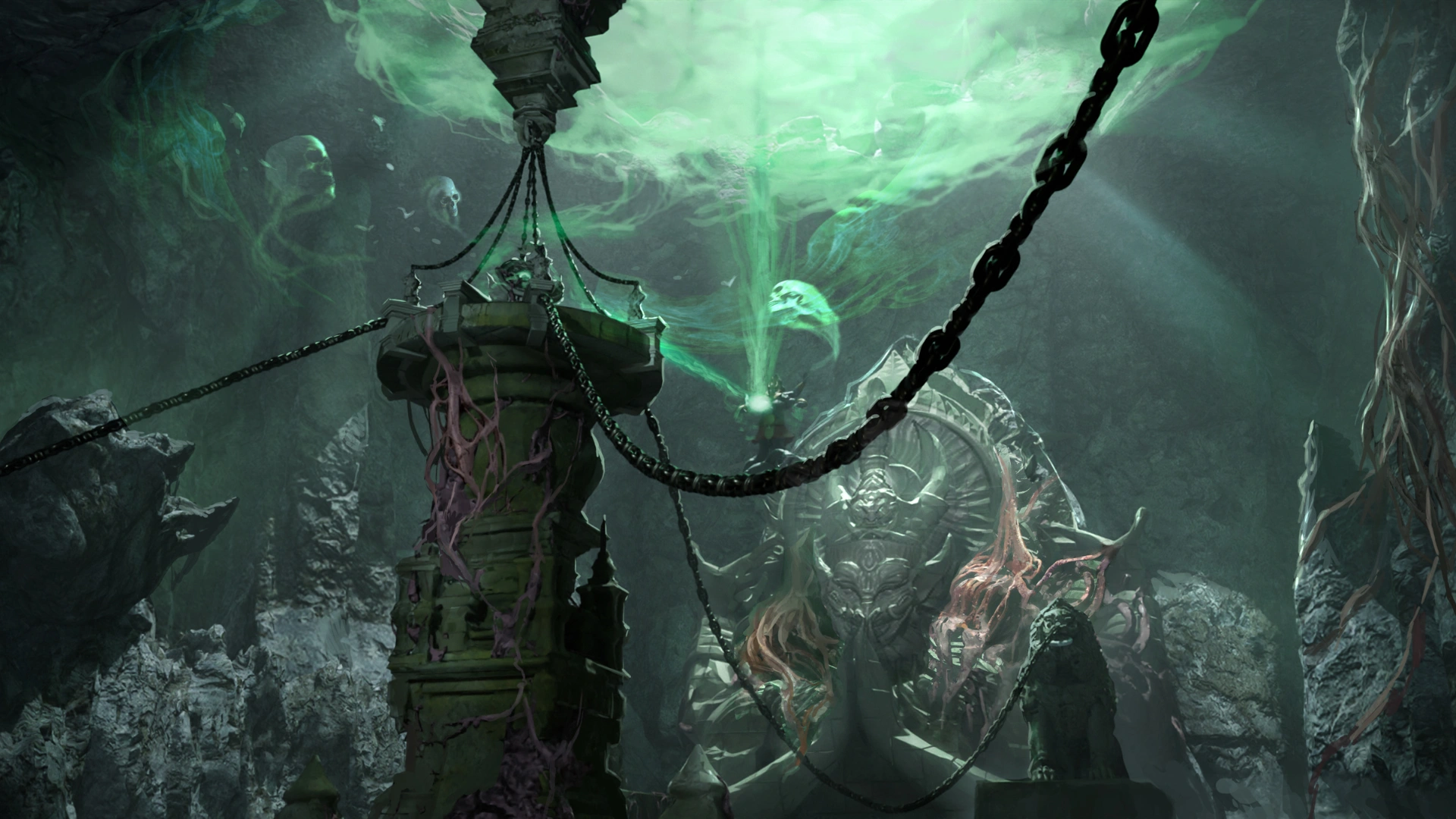
The eye-popping backgrounds in games and cinema and the awesome visual effects that maximize the viewing pleasure are all a result of matte painting. It connects digital painting with photomontage to achieve realistic but engaging backgrounds. With the advent of 3D rendering and real-time engines, conventional matte painting has become obsolete but still plays a significant role in concept realization and overall compositing.
Important Tips To Create Digital Paintings in Photoshop
If you plan to create a digital illustration in Photoshop, you must have a general idea of brushes, layers, and blending modes. Try these general tips to organize an effective workflow on digital art software.
Utilize a large touchpad as a computer screen, as it is more sensitive to input compared to a mouse but provides more precision.
Choose the Right Brushes
Experiment and try brush types to manipulate opacity and flow in your image and create your desired texture.
Work with Layers
Painting in layers allows you to include various elements in your oil painting and make changes to them later.
Use Blending Modes
You may pick from a variety of digital blending modes using a pen to control lighting effects, adjust your color palette, and regulate saturation for the appropriate hue.
Adjust Screen Brightness and Color Profiles
Balance your monitor so that the correct palette of colors and brightness levels are maintained so that your color profile will not be affected even when you share it.
Save in the Correct Format
Have a high-resolution PSD file saved on your computer screen for editing and export copies in PNG or JPEG format for sharing.
Top Career Paths for Aspiring Digital Painters
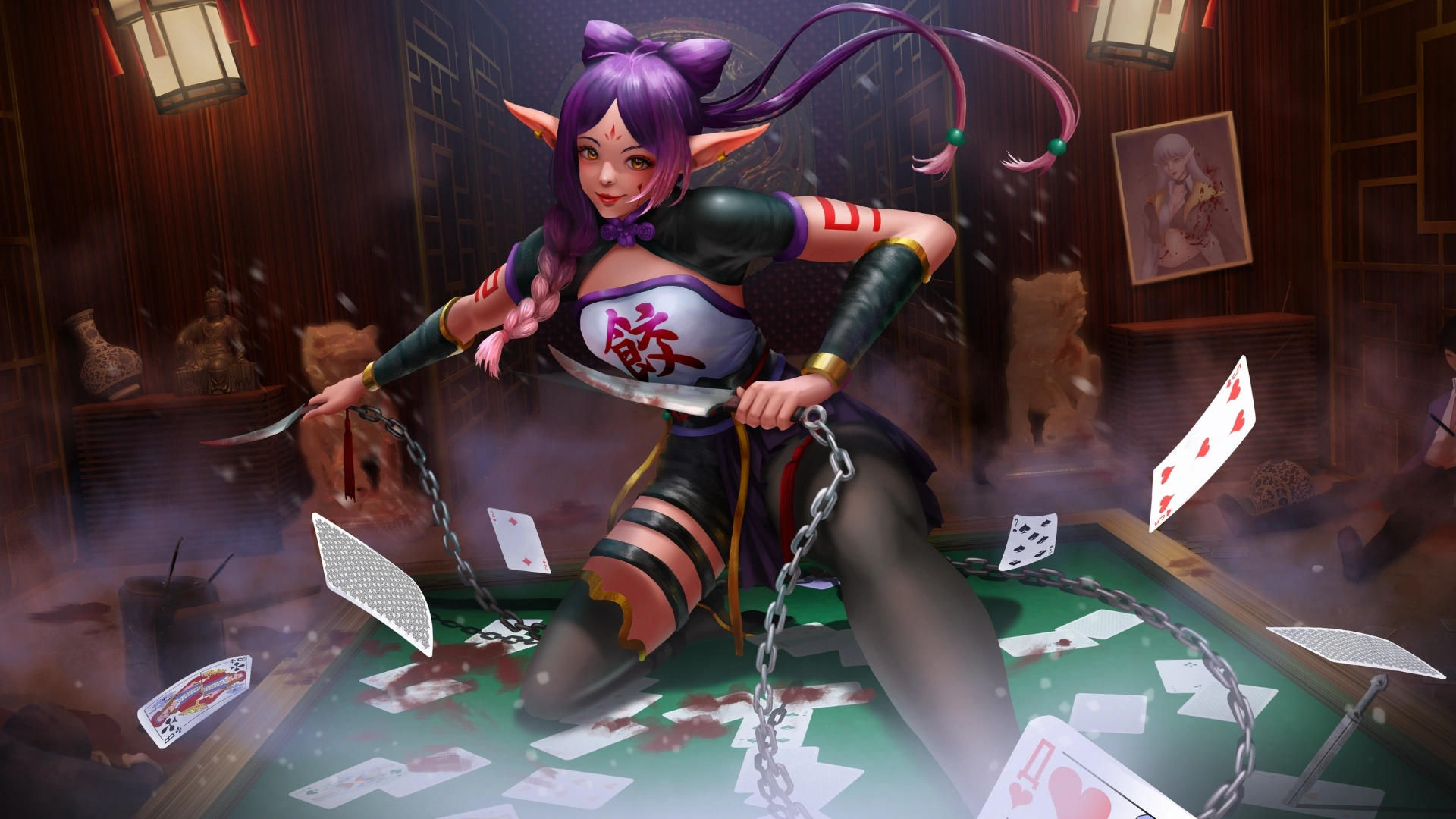
Digital painting is bustling with a variety of career opportunities for those who want to carve their own niche in the world of arts. If you are eager to start a career in digital painting, the very first thing you need is a portfolio featuring your best digital art that demonstrates your creative flair and know-how of techniques.
Getting enrolled in foundational programs can expand your learning while networking with industry professionals can give you the head start to launch your career as digital painters. You can even attend conventions on digital painting and gain visibility by showcasing your work online or collaborating with other digital artists within the entertainment industry.
Concept Artist
A concept artist works in tandem with directors and production teams to generate a visual concept for an imaginary character or prop in video games, films, and animation. They deploy tools like Adobe Photoshop and digital drawing tablets to bring to life the artist's vision.
Illustrator
The specialty of illustrators lies in creating artwork for all kinds of literary forms, such as books, editorial pieces, and advertisements. By using digital painting techniques, they produce engaging visuals that would captivate the audience’s imagination and complement the given theme.
Matte Painter
The larger-than-life background landscapes that you witness in movies and TV shows are a creative product of a matte painter. Their work involves blending traditional painting methods with digital tools like 3D software to create immersive environments, which is best exemplified in in visual effects (VFX) and post-production.
Digital Painting Instructor
Those with a passion for teaching can take on the role of instructors by associating with an art school or via online platforms and holding workshops. This career option allows artists to turn into mentors for aspiring artists and provide them with hands-on guidance to learn how to paint a digital image
The Future of Digital Painting
In the future, we can expect digital painting software to evolve further as the latest tools and technologies make digital art more intuitive and expressive. The stylus would become more sensitive, and advanced algorithms will give artists greater control over their strokes. All in all, as digital painting software becomes accessible to more artists, concept artists can benefit from more opportunities to unleash their imagination and tap into their creative potential.
Learn the Art of Digital Painting with 3dsense Media School for Concept Art & Illustration
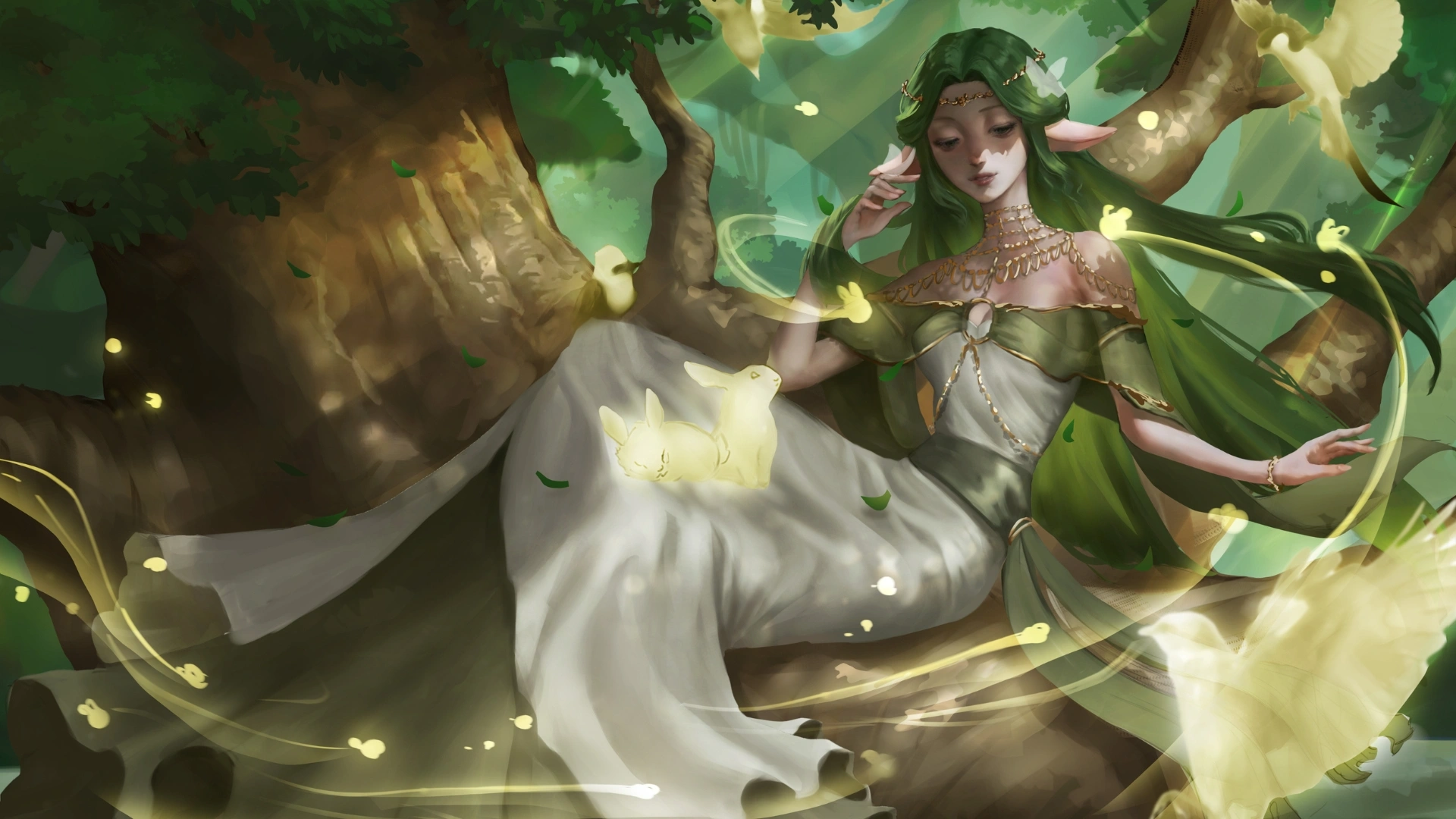
If you're passionate about designing intriguing characters and narratives for movies and games, then Concept Art & Illustration at 3dsense Media School will provide the correct guidance to the artist in you. Our Concept Art & Illustration program is a fusion of the principles of traditional art and modern digital practices to put you on track for a successful career in the entertainment industry.
Ready to jumpstart a rich career in concept art? See more about our Concept Art & Illustration course to get going today.
CURIOUS ABOUT OUR PROGRAMS?
Contact us today!
Turn this interest into the right next step
If you're exploring this topic seriously, here are the clearest next steps: see the most relevant programs, compare the broader program lineup, and understand how applications work before the next intake.
 Chat Now