
BLOG
Game Art vs Animation vs VFX: Understanding Industry Pipelines
Interested in a creative art career and trying to understand the difference between Game Art, Animation, and VFX? These three fields often get lumped together because they sometimes rely on the same tools, techniques, and visual storytelling goals.
But when it comes to production pipelines, they’re very different and require distinct soft and technical skill sets. Understanding the differences can help aspiring artists select a field that best suits their interests, strengths, and the kind of projects they want to work on.
So let’s dig into each option and see which one sounds right for you!
Defining Game Art, Animation, and VFX
Each art discipline serves a specific function within the production pipeline. This function is defined primarily by what it creates and how the work is used.
Here’s the short version of each role:
- Game Art: Creates optimized real-time assets designed for interactive environments and gameplay systems, including characters, props, environments, and technical assets used directly inside game engines.
- Animation: Produces movement and performance by bringing characters, creatures, and objects to life through timing, posing, and acting, supporting both interactive media and linear storytelling.
- VFX: Develops simulations and cinematic visual effects such as explosions, particles, destruction, and environmental phenomena, primarily for shot-based enhancement in film, television, and cinematic sequences.
Now here’s a longer overview of each role:
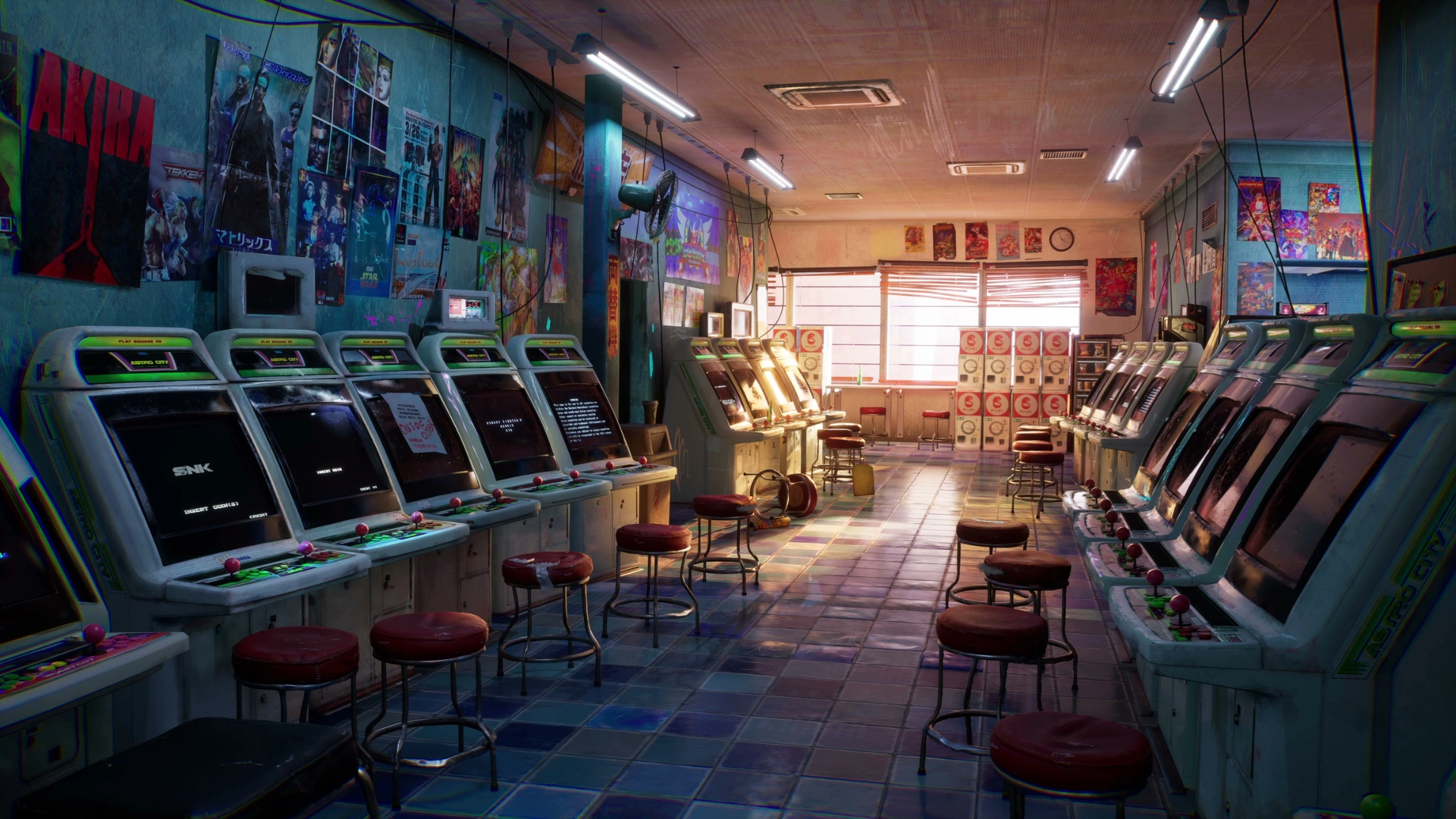
Featured Game Art Environment: Environment Model by Wei Kang, 3dsense Media School Student
Game Art
Game artists create the visual building blocks of interactive experiences, and the assets players explore and interact with directly. Their work must look strong from multiple camera angles, function inside the engine, and maintain performance standards. It must balance artistic quality with technical performance because assets run inside a game engine in real time.
Game Artists:
- Model characters, environments, props, and modular assets for gameplay use.
- Create optimized topology, UV layouts, and textures that meet performance budgets.
- Build materials and shaders that respond correctly to lighting and gameplay conditions.
- Prepare assets for integration into engines like Unreal Engine or Unity.
- Collaborate with designers and programmers to support gameplay mechanics and player interaction.
- Maintain consistent art direction and visual style across large asset libraries.
Game Art roles may include:
- Environment artists building immersive worlds and level layouts.
- Character artists sculpting and modeling playable or non-playable characters.
- Hard-surface modelers creating vehicles, weapons, or architecture.
- Texture artists defining surface realism and material properties.
- Technical artists ensuring assets integrate correctly and perform efficiently inside the engine.
Unlike illustration, game art emphasizes modular design, optimization, and real-time readiness. Artists think about polygon counts, UV layouts, shader performance, and how assets behave during gameplay.
Because games are interactive, collaboration with designers and programmers is constant. The goal isn’t just visual appeal, but supporting gameplay mechanics and player experience within the pipeline.
Who It’s For: If you enjoy constructing interactive spaces and assets, building environments,
and thinking about how players move through and experience a world, GAME ART may be a natural fit!
Featured Character Animation: Character Animation by Chewprecha Pawin, 3dsense Media School Student
Animation
Animators focus on movement, performance, and visual storytelling through motion. It shifts the focus from building assets to controlling movement and performance.
Animators work with rigged characters and bring them to life through personality, weight, believable behavior, timing, spacing, and expressive body mechanics. Whether for games, cinematic sequences, or film production, strong animation communicates emotion, intention, and personality through motion.
Animators:
- Create character locomotion, combat actions, facial animation, and cinematic performances.
- Apply principles such as timing, spacing, weight, and body mechanics.
- Work with storyboards, animatics, or motion capture data to develop performances.
- Iterate based on feedback to refine emotional clarity and realism.
- Integrate animation into game systems like state machines or blending systems.
- Ensure continuity of motion across shots or gameplay scenarios.
In game pipelines, animation must respond dynamically to player input. Movements blend seamlessly depending on gameplay context. In film and cinematic work, animation is often shot-based.
Artists refine performances frame by frame to match narrative direction and creative intent. A strong understanding of anatomy, physics, acting principles, and timing becomes essential. Animation is less about drawing and more about performance and believable motion.
Who It’s For: If performance, acting, and character movement motivate you,
and you enjoy storytelling through body language and character-driven motion, ANIMATION may be the right focus.
Featured VFX Project: VFX Project by Patricia Evelyn, 3dsense Media School Student
VFX (Visual Effects)
VFX artists create dynamic effects that add energy, realism, or spectacle to scenes. Their work often combines artistic design with technical simulation tools.
VFX artists:
- Design effects such as fire, smoke, water, explosions, particles, magical effects, and environmental atmospherics.
- Use procedural workflows, physics simulations, and particle systems.
- Optimize effects for real-time performance in games or create high-fidelity simulations for film.
- Collaborate with lighting, animation, and compositing teams to integrate effects seamlessly.
- Support storytelling by enhancing mood, scale, or visual impact.
VFX work often involves simulation tools, procedural systems, and technical troubleshooting. Artists adjust parameters, refine physical behavior, and collaborate closely with lighting and compositing teams to integrate effects seamlessly.
In film pipelines, VFX artists frequently work on a shot-by-shot basis, refining simulations until they meet artistic and technical requirements.
Who It’s For: If cinematic effects, physics-driven simulations, and solving complex visual challenges excite you, VFX may be the right path!
Why Production Pipelines Matter
Production pipelines define how work moves from concept to final output. They determine how assets are built, how teams collaborate, and what technical constraints shape creative decisions.
Understanding pipelines helps explain why Game Art, Animation, and VFX require different skill sets, even when they appear closely related.
For example, game production typically operates in real time. Real-time (games) aren’t the same as rendered film workflows. That distinction influences how assets are created, how animation systems function, and how simulations are designed. Assets must render instantly inside a game engine, which means artists balance visual quality with performance, memory limits, and frame rate stability.
Film and cinematic pipelines often rely on rendered workflows instead. Frames are calculated individually, allowing greater visual complexity but introducing constraints such as render time, simulation accuracy, and shot-based refinement.
Pipelines Determine Skill Requirements
Because pipelines differ, skill priorities differ.
- Game-focused roles emphasize optimization, modular asset creation, and engine integration.
- Animation roles emphasize performance clarity, acting principles, and motion systems.
- VFX roles emphasize procedural thinking, simulations, and technical problem-solving.
Even when tools overlap, daily responsibilities don’t. Understanding pipeline context helps students evaluate which workflow and problem-solving style fits them best.
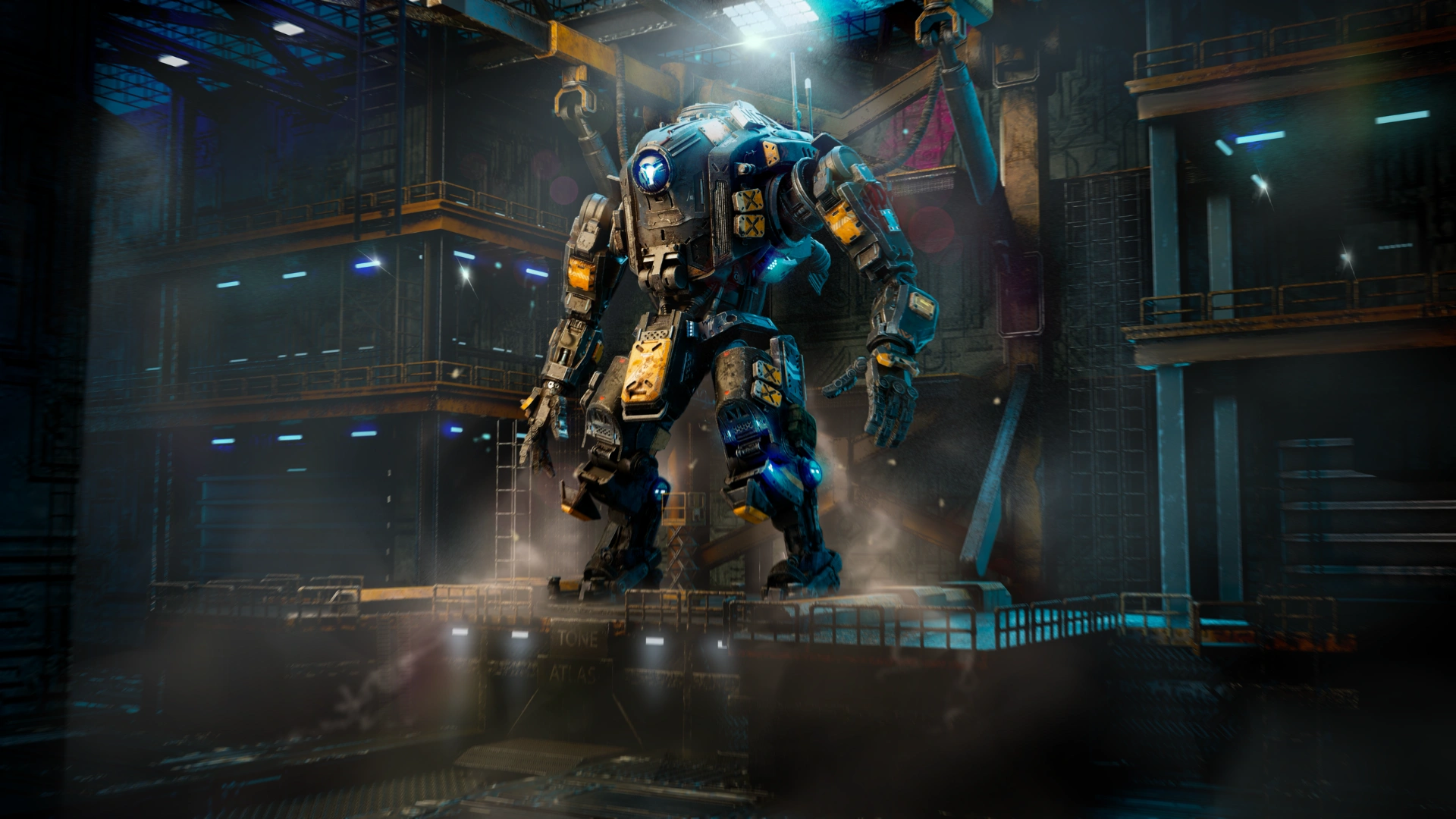
Featured Hard-Surface Model: Hard-Surface Model by Baheti Ash Rahjesh, 3dsense Media School Student
Shared Fundamentals Across All Three Paths
Despite structural differences, all three disciplines rely on strong fundamentals, such as:
- Observation skills that support believable form and motion.
- Composition and visual storytelling.
- Technical literacy with industry tools and workflows.
- Collaboration within multidisciplinary teams.
Drawing can help, but structured practice and production-style experience are more important than traditional illustration alone.
Choosing the Right Path
The decision often boils down to which production environment fits your mindset.
- Do you prefer working inside interactive systems where performance constraints shape every decision?
- Do you enjoy refining character performance and focusing on movement and emotion?
- Do you like experimenting with simulations and solving technical visual challenges?
Each discipline demands focus and technical growth, but pipelines determine how your work contributes to the final result.
Understanding where you want to sit within that structure makes the choice clearer. The goal isn’t to pick the “best” field, but to choose the workflow and problem-solving style that matches your strengths!
Training Within Real Production Pipelines
Understanding production pipelines becomes a lot clearer when training mirrors how studios actually operate.
3dsense Media School structures its diploma programs around the same divisions used in professional game and film pipelines. Rather than teaching software in isolation, programs are designed to reflect real-world workflows, technical standards, and role specialization.
For students interested in real-time asset creation and interactive environments, 3dsense offers a 12-month Game Art & 3D Animation Diploma that emphasizes engine integration, optimization, and production-ready asset development.
For students drawn to performance, cinematic storytelling, and motion, the school features a 12-month 3D Animation, VFX & 3D Modeling Diploma focusing on character animation, acting principles, and shot-based production workflows.
For those interested in simulations, procedural systems, and effects-driven work, the same program includes specialized VFX training aligned with cinematic pipelines and industry-standard tools.
Bottom line: No matter where or how you decide to learn, programs structured around real production standards can help you understand how your work will one day fit into a real-world collaborative studio pipeline.
CURIOUS ABOUT OUR PROGRAMS?
Contact us today!
 Chat Now